
Over the past year, AI has advanced so rapidly that it’s hard to keep up. Capabilities are leaping forward, costs are accumulating, and power is shifting. Reporters and editors at MIT Technology Review have distilled the most critical questions worth watching in 2026 into a concise list—these 10 keywords. Some represent breakthroughs, others cast shadows, and still others explore how humanity is pushing back.
1. 🤖Humanoid Robot Data
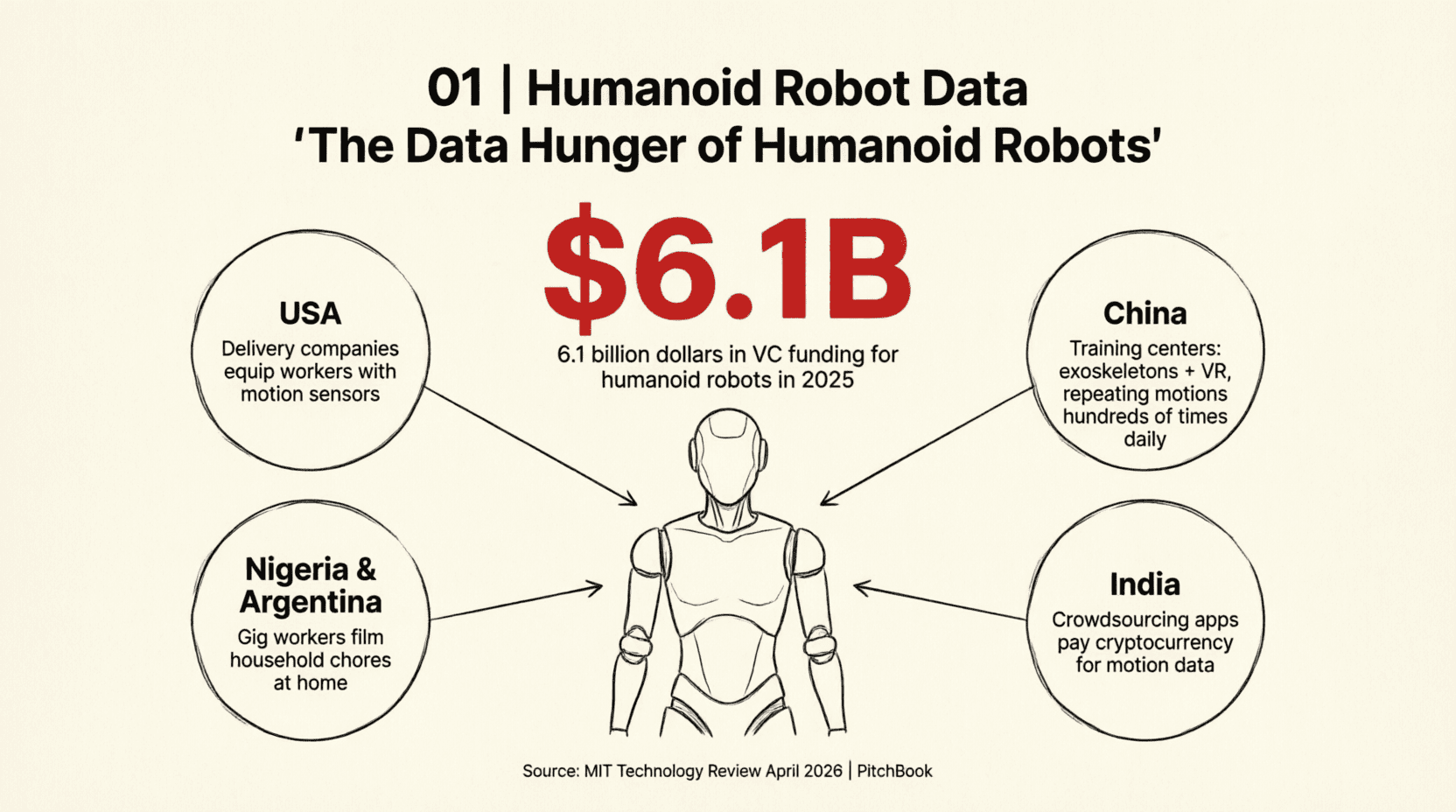
In 2025 alone, the humanoid robotics sector attracted $6.1 billion in venture capital. Workers at training centers in China wear exoskeletons to repeat table-wiping motions hundreds of times a day; gig workers in Nigeria and India film themselves doing household chores at home. Physical laborers are becoming data collectors.
2. 🧠More Powerful Large Language Models
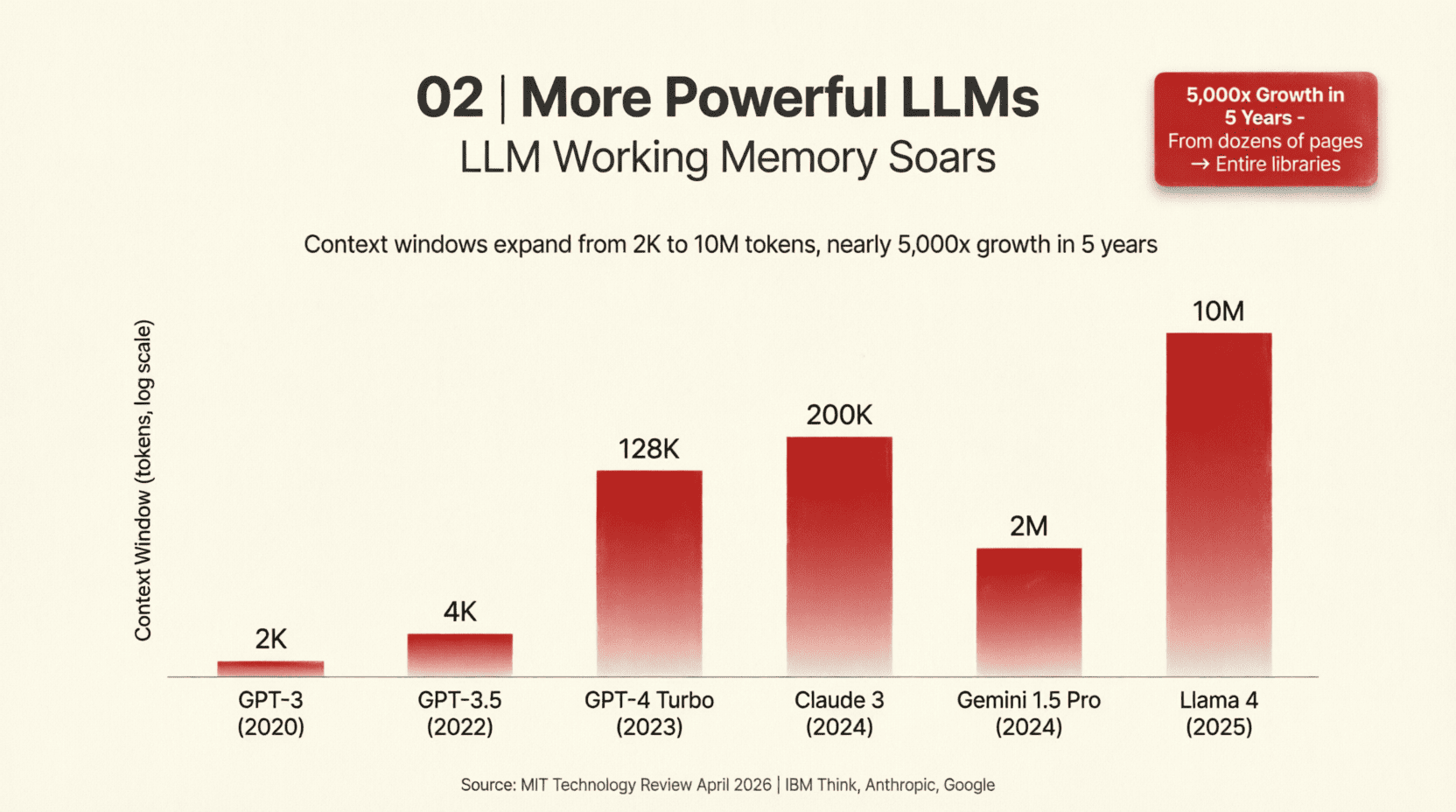
Large models haven’t hit a wall—they’ve just picked all the low-hanging fruit. Context windows have surged from 2K tokens to 10M tokens in just five years, a nearly 5,000-fold increase. Techniques like Mixture-of-Experts (MoE), diffusion models, and recursive LLMs are extending their lifespan.
3. 🛡️AI-Powered Fraud
Both offense and defense are accelerating. Anthropic’s internal model, Mythos, automatically uncovered thousands of critical vulnerabilities across all major systems; Microsoft uses AI daily to screen 100 trillion suspicious signals, intercepting $4 billion in fraud annually.

4. 🌍World Models
The next trump card after LLMs. Fei-Fei Li’s World Labs is valued at $5.4 billion, Yann LeCun’s AMI Labs at $3.5 billion, and Wayve at $8.6 billion; Google, NVIDIA, and Meta are all placing their bets. Whether this is the next frontier or the next bubble, 2026 will deliver the first answers.

5. ⚔️AI Command in Warfare
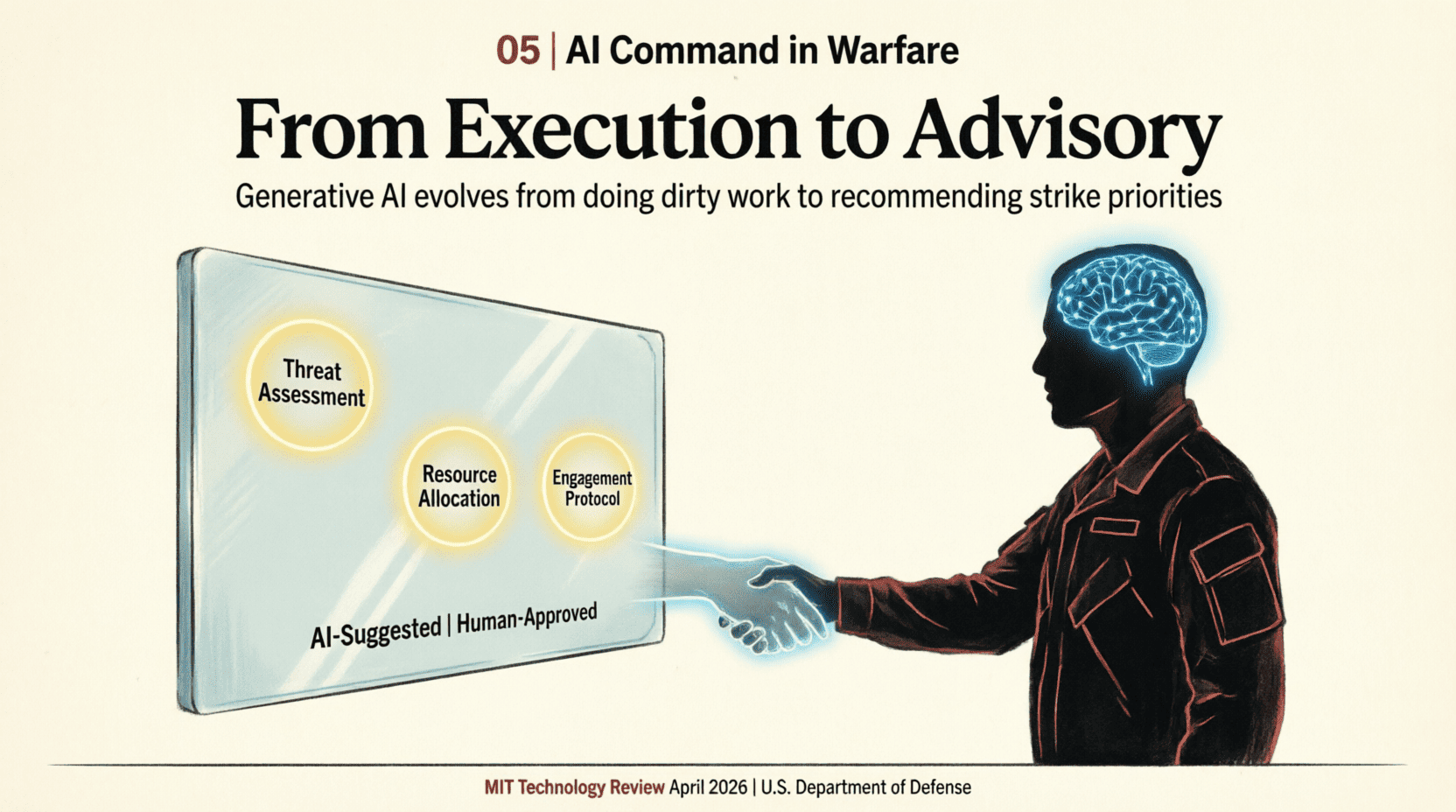
Generative AI is evolving from “doing the dirty work” to “offering advice.” U.S. military commanders are already handing lists of potential strike targets to chatbots, asking them to prioritize which to hit first.
6. ⚠️Weaponized “Deepfakes”
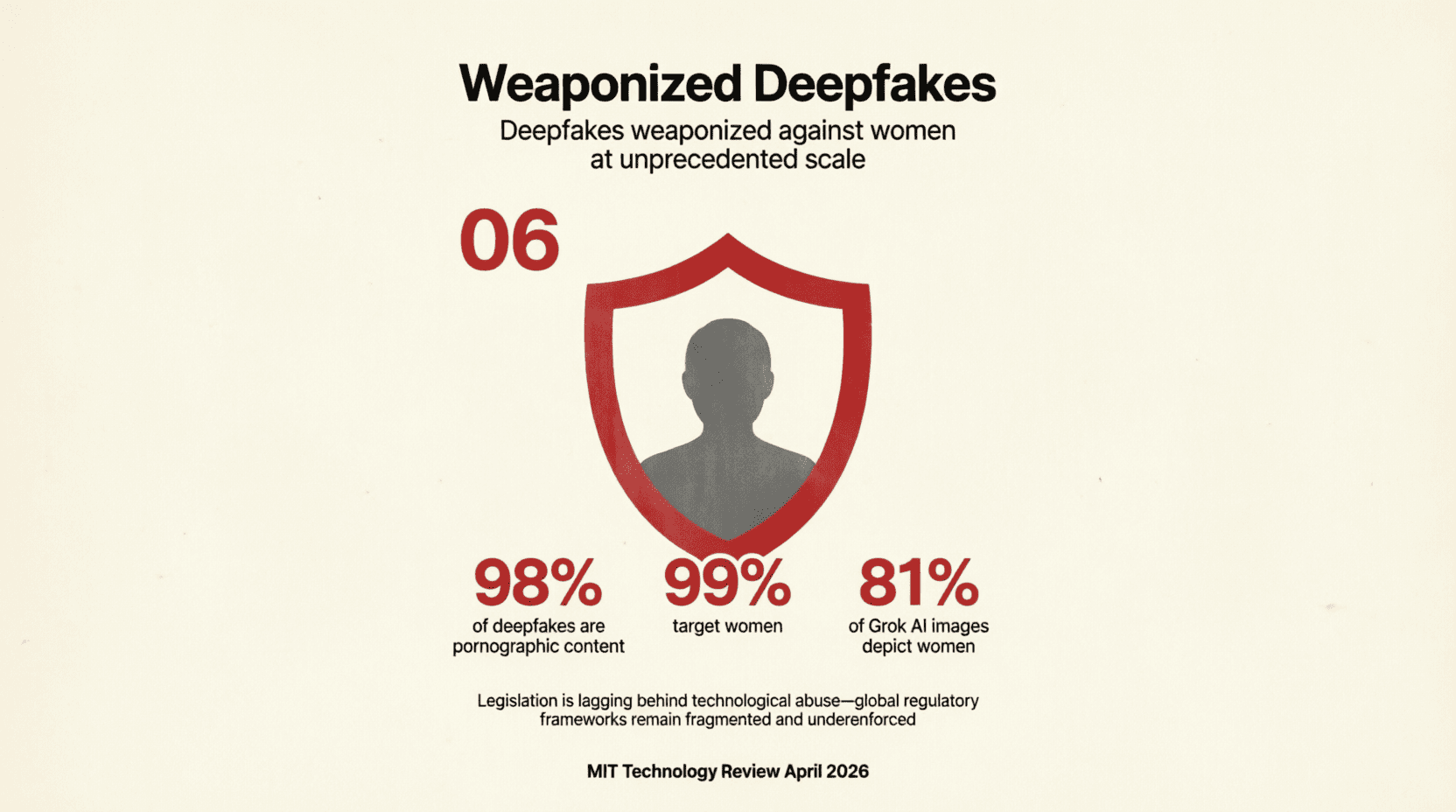
The long-predicted threat has arrived. A 2023 study found that 98% of deepfakes were pornographic content, and 99% targeted women; 81% of images generated by Grok’s image-editing tools depict women. Legislation always lags behind, and harm falls disproportionately on women.
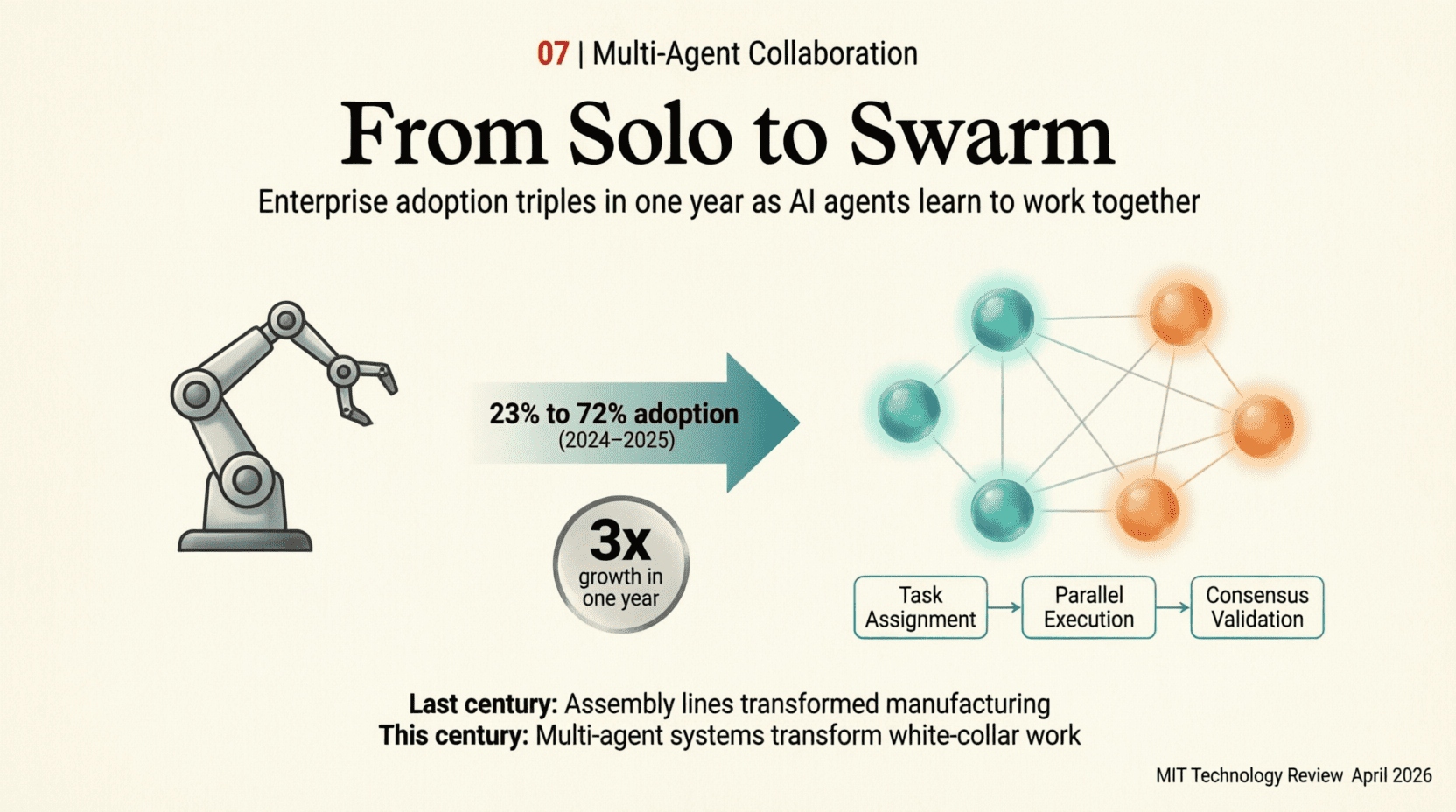
7. 🤝Multi-Agent Collaboration
From solo operations to swarm tactics. Enterprise adoption of multi-agent architectures jumped from 23% in 2024 to 72% in 2025—a threefold increase in one year. Just as assembly lines reshaped manufacturing last century, it’s now white-collar workers’ turn.
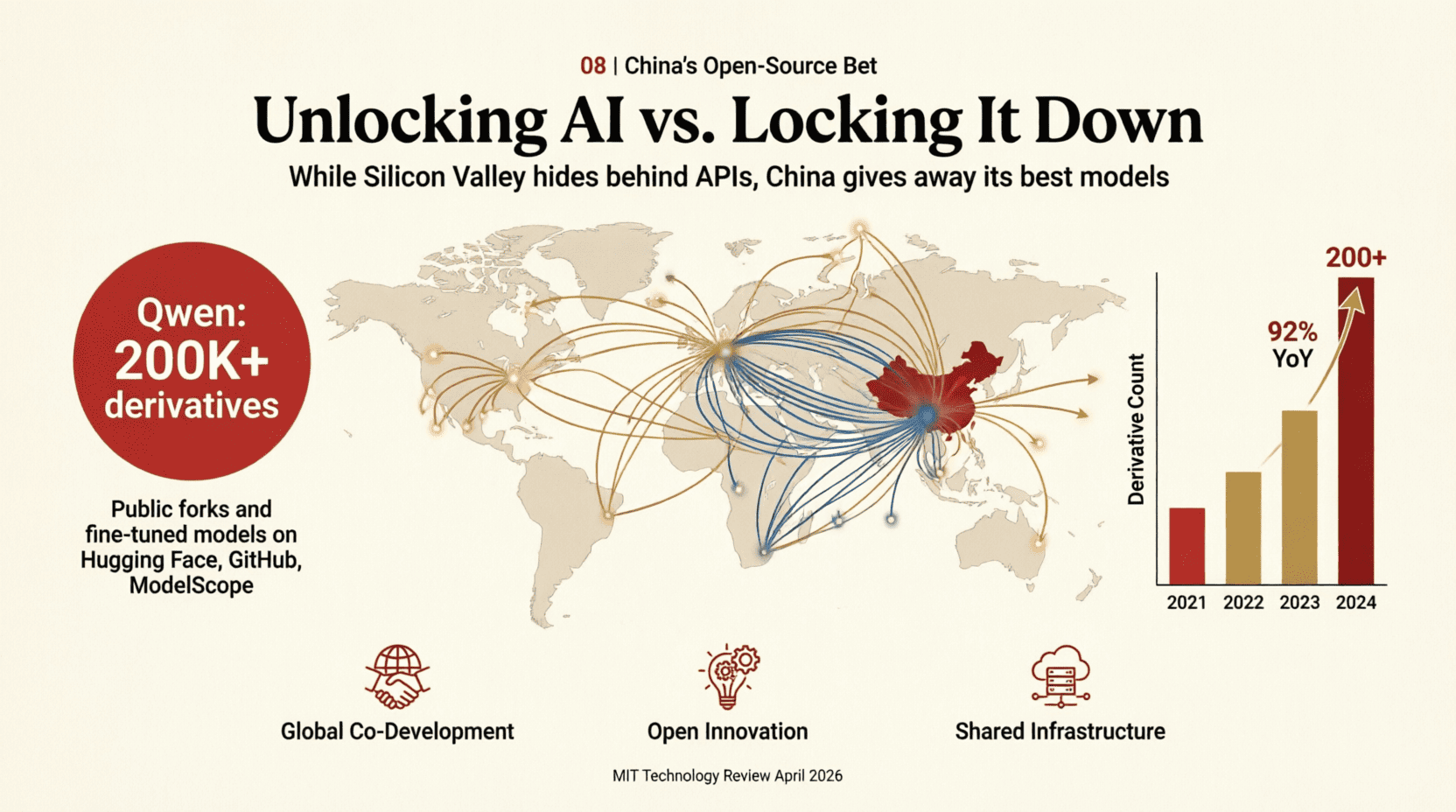
8. 🇨🇳 China’s Open-Source Bet
While Silicon Valley locks its secrets behind APIs, China is giving away its best models. In December 2025, Qwen’s monthly downloads exceeded the combined total of the next eight competitors; over 200,000 derivative models have emerged. China’s open-source strategy is already reshaping global AI at the grassroots level.
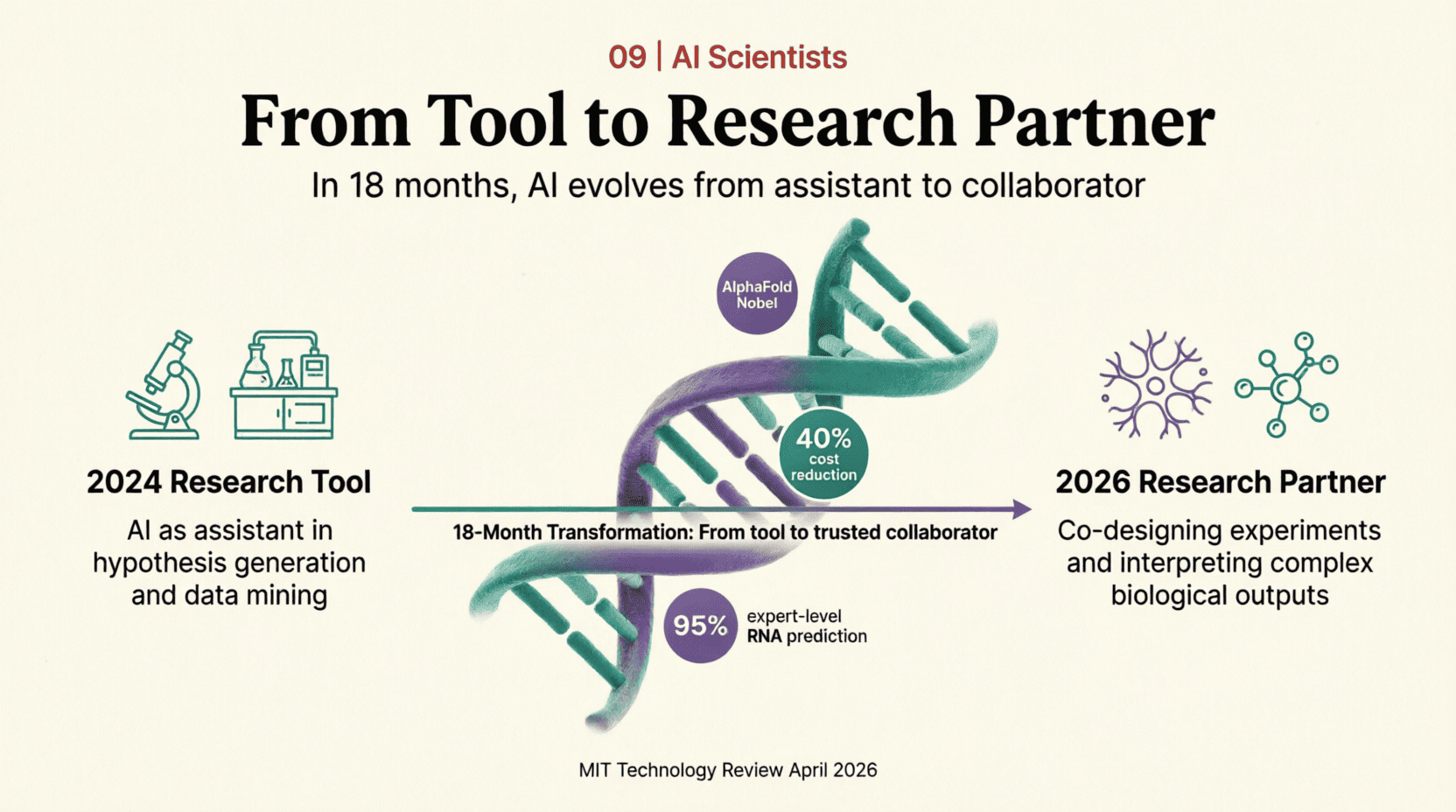
9. 🔬AI Scientists
In just 18 months, AI has evolved from a research tool to a research partner. In October 2024, AlphaFold won the Nobel Prize; in February 2026, OpenAI integrated with Ginkgo Bioworks to reduce protein synthesis costs by 40%; on April 16, GPT-Rosalind launched, surpassing 95% of human experts on RNA prediction tasks.
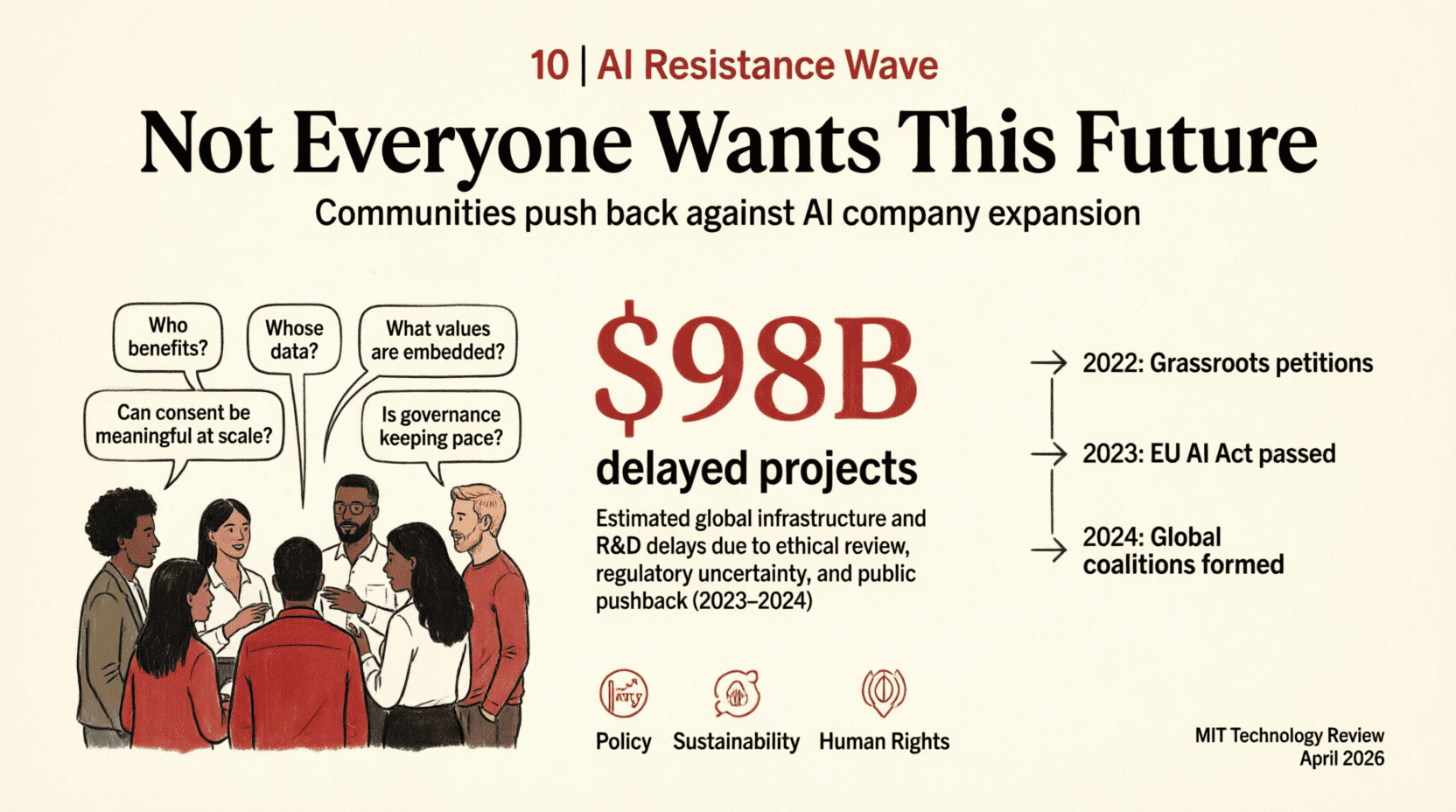
10. ✊The AI Resistance Wave
Not everyone wants to live in the future painted by AI companies. In Q2 2025, U.S. communities delayed $98 billion in data center construction; in March 2026, MAGA Republicans, Democratic Socialists, labor unions, and religious groups rarely united to sign the “Human-Centered AI Manifesto”; in April, Sam Altman’s residence was reportedly targeted in a gasoline bomb attack.
Source: MIT Technology Review
Note: These images are generated with the assistance of AI.